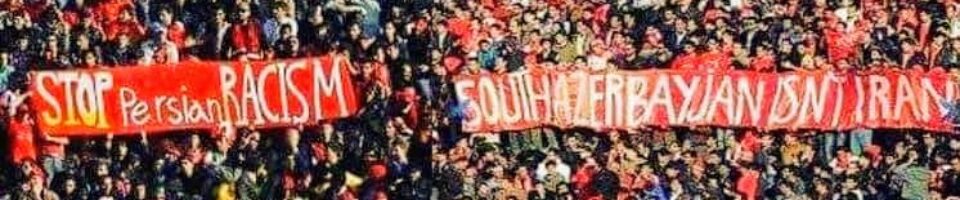





The Second Branch of the Tabriz Revolutionary Court has sentenced 13 well-known South Azerbaijani political activists to a combined total of 89 years of imprisonment. The activists were arrested in 1402 (Iranian calendar year) and convicted on charges of “forming and membership in the subversive Group.”
According to informed sources, the verdicts are based on unsubstantiated, repetitive, and pre-determined allegations, portraying the Azerbaijani national movement as being directed by foreign actors and external forces—claims that activists and observers describe as baseless.
Under the rulings, Yurush MehraliBeiglu was sentenced to 6 years and 2 months in prison for allegedly forming an illegal group, along with an additional 3 years and 7 months for charges related to “assembly and collusion against national security” of the Islamic Republic of Iran.
The remaining defendants—Hamed Yganepour, Ibrahim Avazzadeh, Araz Ibrahim Nejad, Hussein Azadi, Amir Hossein Aghayi, Naser Razmajo, Davood Shiri, Javad Sudbar, Mehrdad Ghaderi, Ali Babai, Morteza Noor Mohammadi, and Mir Mohammad Reza Mohd—were each sentenced to 2 years and 9 months for alleged membership in the illegal group known as “Democrats,” as well as 3 years and 7 months for charges of acting against national security.

Sources report that the verdicts were issued verbatim from indictments prepared by the Intelligence Department, without substantive judicial review, and were formally signed by Judge Reza Abdi, who presided over the case.
Notably, the rulings were not formally communicated to the defendants through Iran’s official Sana judicial notification system, nor were copies made available to them. The verdicts were reportedly disclosed only in person and exclusively to the defense lawyer, Asghar Mohammadi.
The sentences were handed down despite repeated demands by the defendants for a public and transparent trial. These requests were denied, and the court further refused to provide the defendants with copies of their sentencing decisions—actions that have raised serious concerns among legal observers and human rights advocates regarding due process and judicial transparency.


